
Top 10 Home EV Charger Types for Global Buyers
Choosing a Home Ev Charger is no longer a simple matter of buying the fastest unit. Global buyers must compare vehicle compatibility, household voltage, installation conditions, climate, software, and local connector standards. A charger that works beautifully in a London garage may not suit a Canadian winter or a Southeast Asian apartment. Even cable length matters when the parking socket sits behind the vehicle.
This guide examines ten major Home Ev Charger types, from basic Level 1 units to powerful smart Level 2 systems. It also considers portable chargers, solar-compatible models, tethered and untethered designs, wall-mounted options, and weather-resistant outdoor equipment. Real-world details matter. A 7-kilowatt charger may be ideal for overnight charging, while a compact portable unit may rescue drivers without fixed parking. Faster is not always better.
Pasquale Romano, former CEO of ChargePoint, described the charging future as “at home, at work, and on the go.” That idea remains practical today. Home charging should fit daily routines, not merely impressive specifications. Buyers should check electrical capacity, energy tariffs, app reliability, safety certification, and after-sales support before deciding. Regional standards can complicate comparisons.
Details matter. Fit beats hype.
This overview is not perfect, because household needs vary widely. Some recommendations depend on installation costs, climate, driving distance, and vehicle battery size. Still, the comparison offers a dependable starting point for global buyers seeking safer, smarter, and more convenient home charging.
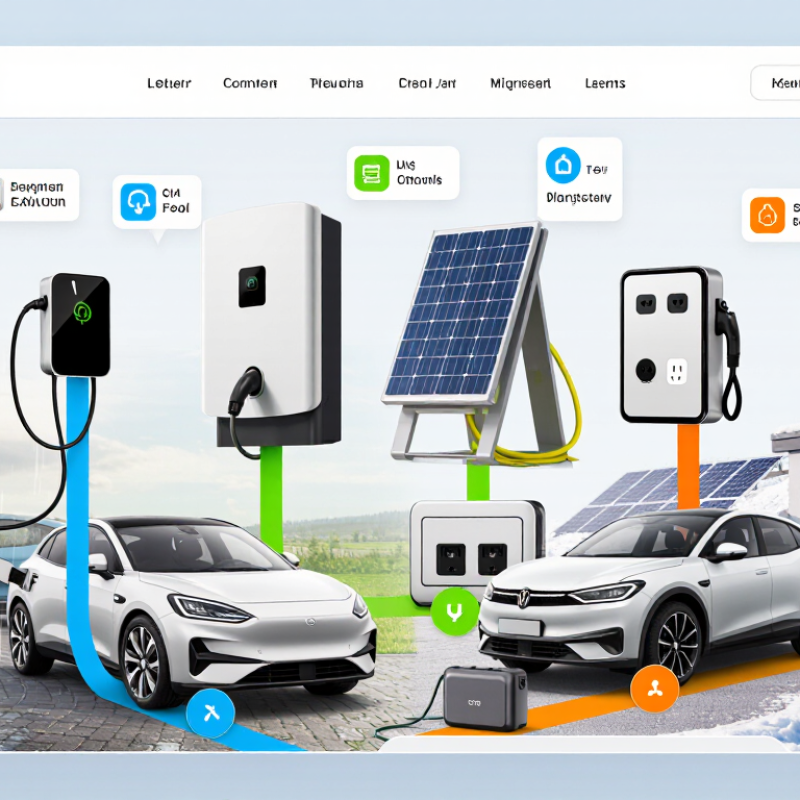
What Defines a Home EV Charger and Its Main Categories
A home EV charger is more than a cable with a plug. It is equipment that transfers electricity safely, communicates with the vehicle, and manages charging conditions. A complete system may include a wall unit, protective controls, a connector, and a mobile application. The installation also depends on household wiring, available power, and local electrical requirements. In practical residential projects, these details often matter more than the charger’s advertised speed.
The main category is AC charging, which uses the vehicle’s onboard charger to convert household electricity into battery power. Lower-power portable EVSE units are useful for occasional charging, travel, or homes without a dedicated wall installation. Fixed AC wall chargers usually provide higher and steadier output. They may be plug-in or hardwired, depending on the property and qualified installation practice. Smart versions can schedule charging, monitor energy use, and respond to time-based electricity rates. Simple versions usually offer fewer controls but may be easier to operate.
Some homes use solar-aware chargers that adjust output according to available generation. Bidirectional systems can potentially exchange energy with a home, although equipment compatibility and installation requirements are more complex. The categories overlap. A portable unit may also be smart, while a fixed charger may support solar control. That distinction is easy to miss. Buyers should compare connector standards, charging capacity, cable length, weather protection, and electrical compatibility. Faster is not always better. An oversized unit can add cost without improving daily charging. A qualified electrician should verify the circuit before purchase.
Top 10 Home EV Charger Types for Global Buyers - What Defines a Home EV Charger and Its Main Categories
| Rank | Home Charger Type | What Defines It | Typical Input & Output | Common Connector Formats | Best-Fit Home or User | Main Advantages | Important Considerations |
|---|---|---|---|---|---|---|---|
| 1 | Portable Mode 2 AC Charger | A portable charging cable with an in-cable control and protection unit that connects to a conventional household outlet. | Usually 1.4–3.7 kW AC, depending on local voltage, socket rating, and current limit. | Domestic plug on the supply side; Type 1, Type 2, GB/T, or other vehicle-side connectors. | Renters, occasional drivers, and homes without a dedicated charging circuit. | Low purchase cost, portability, and minimal installation requirements. | Slower charging; household outlets must be properly grounded and suitable for sustained loads. |
| 2 | Dedicated AC Level 1 Charger | A residential AC charging arrangement using a dedicated low-voltage circuit, mainly associated with single-phase supplies. | Approximately 1.4–2.3 kW at around 110–120 V, commonly limited to about 12–16 A. | Regional household plug with a compatible vehicle connector. | Low-mileage drivers with long overnight parking periods. | Simple electrical requirements and generally low installation cost. | Adds only a modest driving range per hour; charging speed varies with the vehicle's onboard charger. |
| 3 | Single-Phase AC Wallbox | A permanently mounted residential EV supply equipment unit connected to a dedicated AC circuit. | Typically 3.6–7.4 kW AC at approximately 220–240 V; current is often 16–32 A. | Type 1, Type 2, GB/T AC, or SAE J3400/NACS-compatible vehicle connection, depending on market. | Most detached homes and daily commuters with overnight parking. | Good balance of charging speed, cost, convenience, and residential compatibility. | Requires professional installation, suitable protection, and sufficient service capacity. |
| 4 | Three-Phase AC Wallbox | A wall-mounted charger using a three-phase residential or small-commercial electrical supply where available. | Commonly 11 kW at 16 A or 22 kW at 32 A, subject to grid and vehicle limits. | Most frequently Type 2 or GB/T AC in compatible regions; other regional formats also exist. | Larger homes, high-mileage drivers, and households with three-phase service. | Faster AC charging and efficient use of three-phase electricity. | Not universally available; a vehicle may accept less power than the wallbox rating. |
| 5 | Socketed AC Wallbox | A permanently installed charger with a socket outlet rather than a permanently attached charging cable. | Usually 3.6–22 kW AC, depending on single-phase or three-phase supply. | A compatible detachable Mode 3 cable; socket standards vary by region. | Multi-EV households or users who may change vehicles or cable types. | Flexible cable selection, easier cable replacement, and a neater wall installation. | The cable must be purchased separately and stored securely when not in use. |
| 6 | Tethered AC Wallbox | A fixed residential charger with an integrated charging cable permanently attached to the unit. | Commonly 3.6–22 kW AC, limited by the electrical installation and onboard charger. | Fixed Type 1, Type 2, GB/T, or SAE J3400/NACS-compatible cable according to local demand. | Drivers who charge the same vehicle at a regular parking location. | Fast plug-in routine, convenient cable storage, and reduced risk of losing the cable. | The integrated cable is less adaptable if the vehicle or connector standard changes. |
| 7 | Smart Connected Home Charger | An AC charger with communication, scheduling, usage monitoring, and remote control through a network or local connection. | Typically 3.6–22 kW AC; connectivity may use Wi-Fi, cellular, Ethernet, or local protocols. | Any supported AC vehicle connector; communication features are independent of the connector type. | Users seeking time-of-use scheduling, remote status, or charging records. | Better control of charging times, energy data, and household electricity costs. | Features depend on connectivity, software support, data privacy, and local electricity tariffs. |
| 8 | Dynamic Load-Managed Charger | A charger that automatically adjusts EV charging current to keep the home's total electrical demand within a defined limit. | Usually 3.6–22 kW AC, with output varying in real time according to household consumption. | Compatible with the selected AC connector and an electricity meter or current-monitoring device. | Older properties or homes with limited electrical service capacity. | Can reduce peak demand and may avoid expensive service upgrades. | Charging speed can fall when ovens, heat pumps, or other large loads operate simultaneously. |
| 9 | Solar-Integrated Home Charger | An AC charger coordinated with a photovoltaic system to prioritize surplus solar electricity or manage grid and solar power together. | Generally 3.6–22 kW AC; actual solar-only output changes with sunlight and household demand. | Any compatible AC vehicle connector, plus communication with the solar inverter or energy-management system. | Homes with rooftop solar and drivers who can charge during daylight hours. | Can increase self-consumption of renewable electricity and reduce grid imports. | Solar availability is variable; low-power charging may occur when surplus generation is limited. |
| 10 | Bidirectional Home Charger | A charger designed to allow electricity to flow to the vehicle and, where supported, from the vehicle back to the home or grid. | Often AC for vehicle-to-home functions; power levels depend on the vehicle, charger, installation, and local regulations. | A compatible bidirectional vehicle connector and communication protocol are required. | Homes seeking backup power, energy shifting, or advanced solar-storage integration. | May provide backup energy and improve use of stored or renewable electricity. | Vehicle, charger, inverter, utility approval, and local electrical-code compatibility must all be confirmed. |
Note: Charging power is theoretical or typical equipment capacity. Actual charging speed depends on the vehicle's onboard charger, battery state of charge, cable rating, electrical service, temperature, and local regulations.
FAQS
It safely transfers electricity, communicates with the vehicle, and manages charging conditions. A complete setup may include a wall unit, connector, protective controls, and an app.
Common types include portable units, fixed AC wall chargers, smart chargers, solar-compatible systems, and wireless chargers. Categories can overlap. A portable charger may also offer smart controls.
It provides steadier charging through a dedicated household circuit. A 7.4 kW unit may add about 35–50 kilometers overnight, depending on weather and vehicle efficiency.
No. Higher output can increase installation costs without improving daily charging. A smaller battery may work well with a modest charger.
They should inspect the electrical panel, cable route, earthing, available power, and local requirements. The circuit matters more than the advertised speed.
Yes, especially for renters, travelers, and homes without fixed parking. They can work beside a rural driveway or vacation property. Portable does not always mean lightweight.
They can schedule charging, monitor energy use, and adjust charging during household demand. Time-based electricity pricing may make scheduling useful. The savings are not guaranteed.
Solar-compatible chargers can direct rooftop electricity into the vehicle. Cloudy weather, battery storage, and inverter capacity affect actual performance.
They offer convenient charging without handling a cable. Installation quality and vehicle ground clearance matter. Energy losses may be higher than with wired systems.
Compare connector standards, voltage, current capacity, cable length, weather protection, and electrical compatibility. I would not choose by speed alone. That mistake is easy.
Conclusion
A Home Ev Charger is a residential device designed to transfer electricity safely and efficiently from a household power source to an electric vehicle. Home charging options vary by power level, installation method, portability, and energy features. Standard household chargers are suitable for basic or occasional use, while dedicated AC wall chargers provide faster and more consistent charging for everyday driving. Choosing the right type depends on vehicle compatibility, available electrical capacity, charging frequency, and space at home.
Modern home chargers may include smart controls, mobile monitoring, scheduling, load management, and solar integration to help households use energy more efficiently. Portable chargers offer flexibility for travel or temporary living arrangements, while wireless systems provide convenient charging with minimal cable handling. For advanced energy management, high-power and bidirectional chargers can support energy flow between the vehicle, home, and compatible power systems. Together, these categories give global buyers practical choices for simple charging, daily convenience, renewable-energy use, and future-ready home power management.
