
7 Best EV Charging Points for Global Buyers in 2026?

Time:2026-10-16 Author:Mason
0%

Electric vehicle adoption is accelerating, but reliable charging remains uneven across regions. The International Energy Agency’s Global EV Outlook 2024 reported more than four million public charging points worldwide by the end of 2023. Approximately 1.3 million new chargers were added that year. China accounted for most global public charging growth.

That scale sounds impressive. The daily experience can still be frustrating. A charger may be occupied, offline, or incompatible with a vehicle’s connector. Rural coverage also remains weaker than urban coverage. For global buyers, the best Charging Point is not always the fastest one. It must balance charging speed, uptime, payment access, installation quality, software support, and local grid conditions.

CharIN Executive Board member Claas Bracklo has described charging as “the backbone of electric mobility.” His point matters because charging infrastructure shapes ownership more directly than headline vehicle range. This guide evaluates seven leading Charging Point options for international buyers in 2026. It considers AC home units, public DC fast chargers, network availability, connector standards, weather resistance, and long-term operating costs.

The assessment draws on the IEA’s Global EV Outlook, the International Council on Clean Transportation’s charging research, and manufacturer specifications. However, no ranking is permanent. Firmware changes, tariffs, and network expansion can quickly alter value. Real-world results may also differ between a garage in Berlin and a roadside stop in Nairobi. That uncertainty deserves attention, not polished marketing.
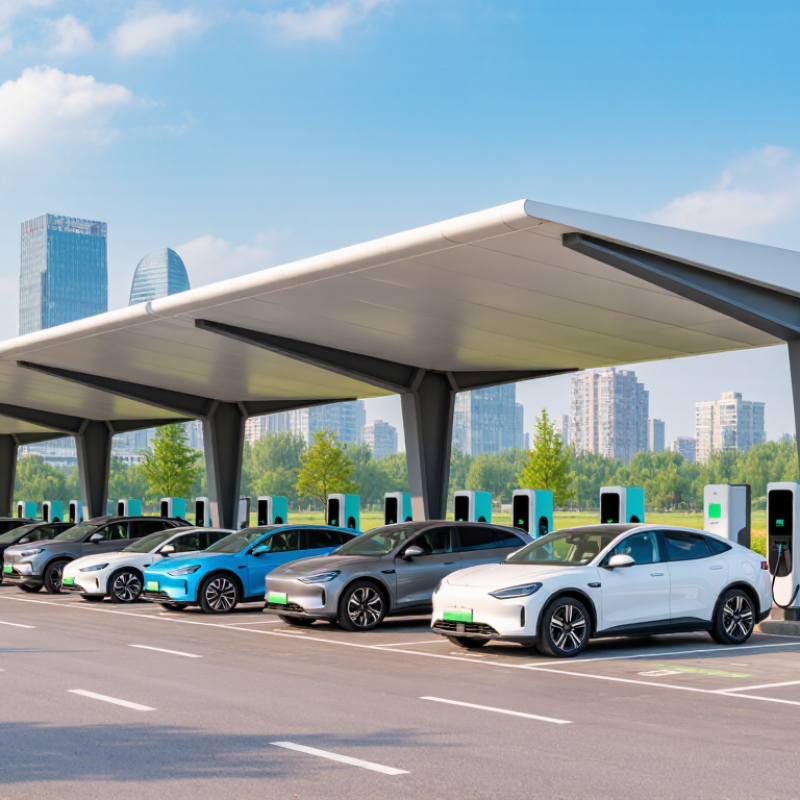
7 Best EV Charging Points for Global Buyers in 2026?

What Makes an EV Charging Point Stand Out in 2026

What Makes an EV Charging Point Stand Out in 2026

The best EV charging points will do more than deliver high power. They must work reliably across climates, vehicle types, and payment systems. The International Energy Agency reported over four million public charging points worldwide in 2023. That growth makes practical design more important than impressive advertising.

A standout unit should offer stable charging, clear power ratings, and broad connector compatibility. It should support smart load management, especially where several vehicles charge together. A simple screen matters. So does contactless payment without requiring a complicated account. The U.S. Department of Energy’s Alternative Fuels Data Center highlights charging speed, connector type, location, and availability as key user concerns. These details shape real buying decisions.

Safety needs equal attention. Certified electrical protection, temperature monitoring, secure cable storage, and weather resistance reduce everyday risks. ISO 15118 support can improve vehicle-to-charger communication, although compatibility still varies between vehicles. That inconsistency deserves more honesty.

Good charging points also provide accurate status information. Drivers should know whether a session is active, delayed, or complete. Remote diagnostics can shorten repair times, but only when operators respond quickly. The European Automobile Manufacturers’ Association has warned that charging infrastructure expansion must keep pace with EV adoption. A fast charger that remains offline is not a strong investment. My own practical test would include winter mornings, crowded parking areas, and weak mobile signals. Many specifications look excellent on paper. Real streets are less forgiving.

Key Charging Standards, Speeds, and Compatibility Factors

7 Best EV Charging Points for Global Buyers in 2026?

Key Charging Standards, Speeds, and Compatibility Factors

Choosing a charging point starts with the vehicle’s inlet, not the advertised power. IEC 61851 defines core conductive charging behavior, while ISO 15118 supports digital communication between the car and charger. Common AC options include Type 1 and Type 2. Regional DC systems include CCS1, CCS2, and GB/T. Compatibility can still vary by cable, software, and grid connection.

Speed is conditional. A 22 kW AC unit may deliver only 11 kW if the vehicle has a smaller onboard charger. DC charging can range from 50 kW to over 300 kW, but heat, battery percentage, and station sharing often reduce output. The International Energy Agency reported more than four million public charging points worldwide at the end of 2023. Its Global EV Outlook 2024 also noted approximately 40% growth in public charging that year.

For global buyers, check voltage, frequency, connector type, protection ratings, and load management. A 400-volt vehicle may not use an 800-volt charger efficiently. A home installation also needs an electrical assessment and suitable residual-current protection. Fast charging sounds simple. It is not. The charger, vehicle, cable, and local network must cooperate. I would verify every specification against the vehicle manual and the installation certificate, because online compatibility tables can be incomplete.

7 Best EV Charging Points for Global Buyers in 2026? - Key Charging Standards, Speeds, and Compatibility Factors

Rank Charging Point Type Typical Output Approximate Range Added Main Standards and Connectors Best Use Case Key Compatibility Factors
1 Basic AC Household Charging 1.2–1.9 kW
Single-phase AC
Approximately 5–12 km per hour, depending on the vehicle Domestic socket; regional electrical plug requirements Overnight charging where daily driving is limited Check socket safety, grounding, circuit capacity, weather protection, and the vehicle’s portable charging cable. Charging speed is limited by the vehicle’s onboard charger.
2 Residential AC Wall Charger 3.6–7.4 kW
Single-phase AC
Approximately 20–45 km per hour Type 1 or Type 2 AC; local electrical installation rules Homes, apartments, and small workplaces Verify supply voltage, amperage, connector type, residual-current protection, cable length, load management, and installation certification.
3 Three-Phase AC Destination Charger 11–22 kW
Three-phase AC
Approximately 60–130 km per hour Type 2 AC; regional three-phase electrical systems Offices, hotels, retail locations, fleets, and shared residential parking The vehicle must support three-phase AC at the selected power level. Confirm phase availability, grid capacity, connector configuration, and dynamic load balancing.
4 Urban Medium-Power DC Charger 20–50 kW
DC fast charging
Approximately 100–250 km in 30 minutes CCS1, CCS2, CHAdeMO, or regional DC connector variants Urban parking, taxi stands, service areas, and short-stop charging The vehicle must have a compatible DC inlet. Check charging protocol, maximum vehicle acceptance rate, payment method, cable reach, and local network communication requirements.
5 High-Power DC Fast Charger 75–150 kW
DC fast charging
Approximately 200–450 km in 30 minutes CCS1, CCS2, or other regionally approved high-power DC standards Motorways, intercity routes, fuel-station replacements, and commercial fleets Check battery voltage, maximum DC acceptance rate, thermal limits, cable cooling, site power availability, and whether the charging station supports automatic authentication.
6 Ultra-Fast DC Charging Point 150–350 kW
DC high-power charging
Approximately 300–700 km in 20–30 minutes for compatible vehicles CCS1, CCS2, or SAE J3400-based regional systems Long-distance travel and high-throughput charging hubs Actual speed depends on battery state of charge, battery temperature, vehicle voltage architecture, connector rating, and charger power sharing between vehicles.
7 Commercial Fleet and Heavy-Duty Charging Point 350–600+ kW
High-power DC charging
Approximately 200–500+ km in 30 minutes, depending on vehicle and duty cycle High-power CCS variants, pantograph systems, and emerging megawatt-class charging standards Buses, delivery vehicles, trucks, logistics depots, and high-utilization fleets Confirm vehicle inlet, charging curve, connector cooling, site transformer capacity, managed charging software, cable handling, parking-bay dimensions, and local grid interconnection rules.

Note: Range figures are indicative estimates based on typical passenger EV efficiency of approximately 15–25 kWh per 100 km. Actual performance varies with vehicle efficiency, battery temperature, charging losses, state of charge, weather, terrain, and regional electrical regulations.

Seven Leading EV Charging Points for Global Buyers

Seven Leading EV Charging Points for Global Buyers

Global buyers need charging points that match climate, grid quality, vehicle use, and local connector standards. The International Energy Agency reported over four million public charging points worldwide in 2023. That figure shows demand, but it also exposes uneven infrastructure. The seven strongest choices are home AC chargers, portable emergency units, workplace AC points, destination chargers, urban DC fast chargers, high-power highway chargers, and fleet depot systems.

Home AC charging remains practical for overnight use, especially where electricity is stable. Workplace and destination points add useful daytime charging without demanding extreme power. Portable units provide flexibility, although their output is usually limited. DC fast chargers suit drivers covering long distances, while high-power systems reduce waiting near major highways. Fleet depot chargers can coordinate multiple vehicles and avoid expensive peak-time electricity. Smart scheduling matters more than impressive maximum output.

The IEA’s Global EV Outlook highlights rapid public charger growth, yet reliability remains a purchasing concern. Buyers should examine uptime records, thermal protection, remote diagnostics, warranty coverage, and repair access. The International Electrotechnical Commission also stresses conformity with applicable electrical and connector standards. Good specifications do not guarantee good field performance. Dust, winter temperatures, weak networks, and confusing interfaces can still frustrate drivers. A careful buyer should request independent test evidence, installation guidance, and realistic charging curves rather than trusting peak numbers alone. Sometimes, the less powerful charger works better.

Comparing Installation, Smart Features, Safety, and Connectivity

The seven strongest EV charging points for global buyers in 2026 should be judged beyond charging speed. Installation comes first. A qualified electrician must check cable length, panel capacity, grounding, and outdoor exposure. IEA reports that more than five million public charging points were available worldwide in 2024. Home charging still needs careful planning, especially in older buildings.

Smart features can reduce wasted energy. Look for scheduled charging, load balancing, solar integration, and clear consumption records. Connectivity matters too. Wi-Fi is convenient, but Ethernet or cellular backup can prevent silent failures. Support for open communication standards improves compatibility across vehicles and software platforms. Some features sound impressive, yet work poorly after a router change. That deserves scrutiny.

Safety should feel physical, not merely advertised. Choose units with residual-current protection, thermal monitoring, weather resistance, and secure cable management. International installation should follow relevant IEC requirements and local electrical codes. Independent certification is stronger evidence than a marketing badge. The IEA also notes that fast-charging demand is growing with larger batteries and heavier vehicles, but maximum power is not always practical for a home circuit.

Tips: Compare total installation cost, not the charger price alone. Ask for a written load assessment. Test the mobile app before purchase. Check data privacy terms. Keep a manual fallback. Connectivity can fail. Look for firmware support lasting several years. A higher-rated unit may still be wasteful if your daily mileage is low.

How to Choose the Right EV Charging Point for Your Market

Choosing the right EV charging point for your market requires more than comparing charging speed. Local grid capacity, climate, driving habits, and installation standards can change the best option. A unit designed for dense European streets may not suit a hot, rural market with unstable electricity. Check connector compatibility, input voltage, enclosure protection, and available service support before ordering.

Practical testing matters.

Speak with qualified installers and fleet operators in the target region. Their experience may reveal cable damage, payment issues, or winter performance problems that product sheets hide. Look for safety certification accepted by local authorities, clear warranty terms, load management, and remote monitoring. A fast charger is not always the smarter purchase. It can demand expensive electrical upgrades. That cost is easy to overlook.

Tips:

Measure the site first.
Confirm peak power.
Test with local vehicles.
Ask about spare parts.
Review software access and data ownership.
Choose weather protection for outdoor locations.
Leave room for future expansion.

Avoid choosing only by price. A cheaper unit may require frequent service or complicated repairs. However, premium features can also remain unused in a small residential market. I have seen buyers overestimate future demand and underinvest in installation quality. Recheck the decision with a simple three-year cost estimate, including electricity, maintenance, downtime, and technician visits. Local evidence should guide the final choice.

FAQS

What makes an EV charging point stand out in 2026?

It should charge reliably across climates, vehicles, and payment systems. Clear ratings and broad connector support matter. Real streets differ.

Which features improve everyday charging?

A simple screen should show power, session status, and completion. Contactless payment reduces account problems. Drivers need fewer steps.

Why is smart load management important?

It balances electricity when several vehicles charge together. This can reduce peak demand and avoid costly electrical upgrades. Maximum power is not everything.

What safety features should buyers check?

Look for electrical protection, temperature monitoring, secure cable storage, and weather-resistant housing. Outdoor units face rain, dust, heat, and freezing mornings. Small weaknesses become expensive.

How should buyers compare charging speed?

Review realistic charging curves, not only peak output. Home and workplace units often suit overnight or daytime charging. A slower charger may work better.

What should operators know about reliability?

Check uptime records, remote diagnostics, repair response, and spare-parts access. A powerful charger is useless while offline. This is easy to underestimate.

How can buyers choose a charger for a local market?

Measure site capacity, voltage, climate, driving habits, and connector needs. Test the unit with local vehicles. Product sheets can hide cable damage.

What payment and software details deserve attention?

Confirm contactless payment, software access, data ownership, and clear status messages. Weak mobile signals can interrupt remote functions. Test that condition.

What should a three-year cost estimate include?

Include electricity, installation, maintenance, downtime, and technician visits. Also check warranty limits and future expansion space. I might overestimate demand.

What common buying mistake should be avoided?

Do not choose only by price or impressive power. Cheap equipment may need frequent repairs, while advanced features may remain unused. Recheck the decision.

Conclusion

In 2026, choosing the right Charging Point requires more than comparing power ratings. Global buyers must consider charging standards, connector compatibility, single- or three-phase electricity, installation conditions, and the needs of different vehicle types. The strongest options combine reliable AC or DC charging performance with clear safety controls, weather resistance, efficient thermal management, and broad compatibility across regional markets. They also support practical features such as scheduled charging, energy monitoring, load balancing, user access control, and remote software updates.

This guide reviews seven leading Charging Point solutions for global buyers by comparing installation requirements, charging speeds, smart functions, connectivity, safety systems, and long-term usability. It explains how residential, commercial, fleet, and public-site requirements can differ, while highlighting the importance of local electrical capacity, climate, network availability, maintenance support, and future expansion. By evaluating these factors together, buyers can select a dependable Charging Point that fits their market, budget, vehicle range, and evolving charging needs.

Mason

Mason

Mason is a seasoned marketing professional with a deep expertise in the company's offerings and a passion for driving brand awareness. With a strong background in digital marketing strategies, he has an innate ability to connect with diverse audiences and effectively communicate product benefits.......
HizonSun certificate enlarged view